Most leaders think they know who they are.
But what if some of the behaviors you show up with every day aren’t leadership habits at all? What if they’re coping mechanisms you’ve developed over time?
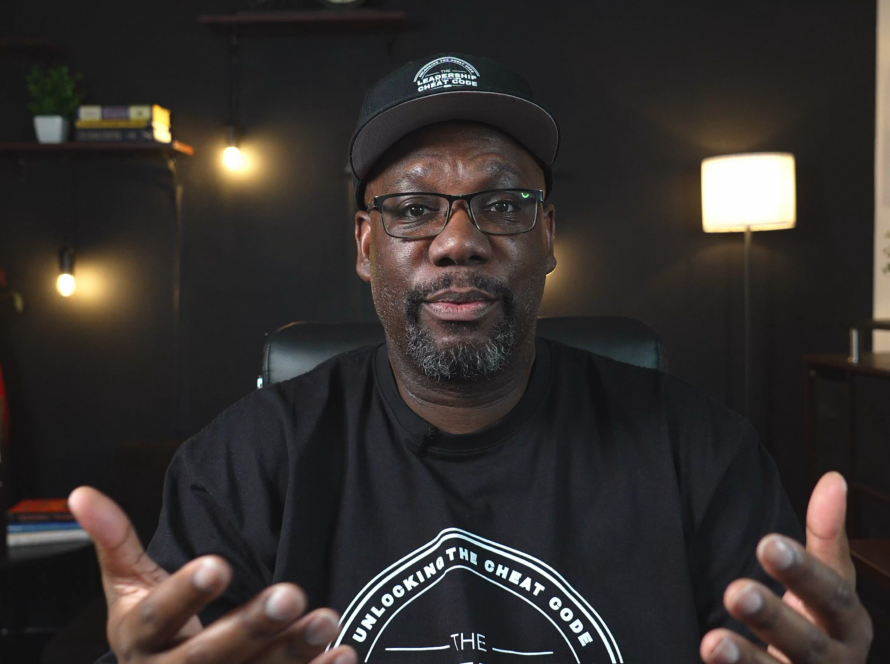
In this episode of The Leadership Cheat Code, I explore one of the most overlooked aspects of leadership: the masks we wear. Sometimes those masks show up as anger. Sometimes they show up as people-pleasing, emotional distance, control, or shutting down altogether. What starts as a way to deal with pressure, disappointment, conflict, or responsibility can eventually become the version of ourselves that everyone else experiences.
In this conversation, we unpack the difference between emotional control and emotional suppression, why self-awareness is critical for effective leadership, and how unaddressed emotions can influence the way we lead, communicate, and respond to others. We’ll also explore how behaviors we’ve normalized over time may actually be reactions to old frustrations, disappointments, or experiences we never fully dealt with.
If you’ve ever wondered whether you’re leading intentionally or simply reacting, this episode will challenge you to take a closer look at the person behind the title—and the version of yourself that shows up when leadership gets difficult.
Key Takeaways
1. Not Every Leadership Behavior Is Actually Leadership
Some of the behaviors leaders call “leadership” may have started as coping mechanisms. Being overly controlling, overly accommodating, emotionally detached, guarded, or unusually quiet may not be personality traits at all—they may be adaptations developed from stress, conflict, disappointment, or responsibility.
2. Self-Awareness Is One of the Most Important Leadership Skills
The longer a coping behavior exists, the more normal it feels. Eventually, leaders stop asking where the behavior came from and begin believing, “This is just who I am.” Effective leadership requires regularly evaluating whether you’re leading intentionally or simply reacting from old frustrations, insecurities, and habits.
3. Emotional Control and Emotional Suppression Are Not the Same Thing
Great leaders manage their emotions without ignoring them. Suppression leads to emotional buildup, passive-aggressive behavior, avoidance, and eventually emotional explosions. Emotional maturity is recognizing what you’re feeling without allowing those feelings to dictate how you lead.
4. Leadership Becomes Exhausting When It Turns Into Performance
Many leaders start by adapting to situations, but eventually those adaptations become performances. When leadership becomes more about protecting an image, maintaining authority, avoiding weakness, or controlling perception, leaders become disconnected from themselves and others. People can sense when someone is performing instead of showing up authentically.
5. The Goal Is to Manage Yourself Without Losing Yourself
Leadership requires balance. Leaders shouldn’t emotionally dump on others, but they also shouldn’t become so guarded that nobody experiences the real person behind the title. The challenge is learning to remain disciplined, emotionally aware, and authentic at the same time.